
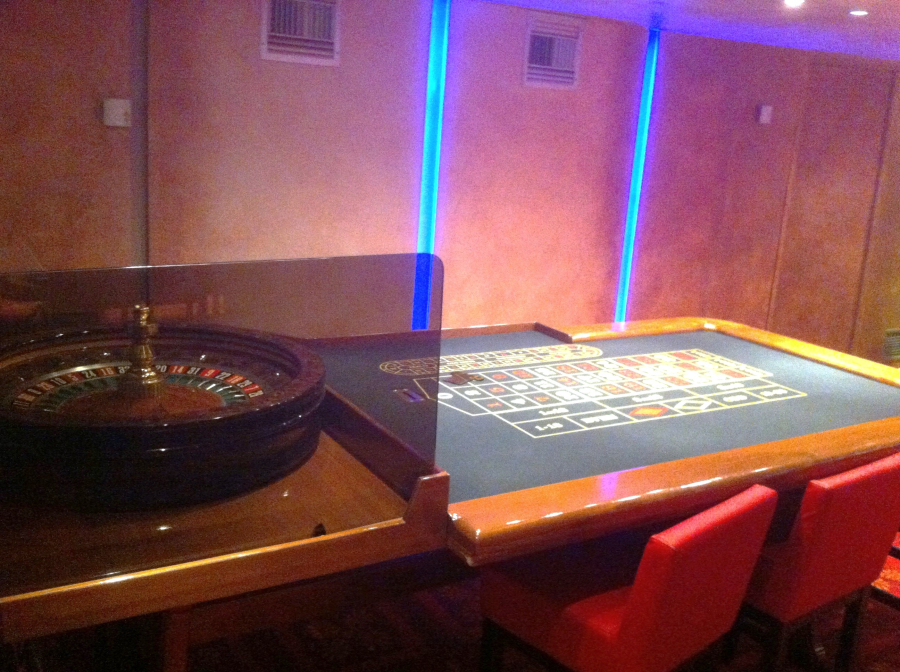
In recent years, Greece has experienced a sharp rise in gambling activity, both online and in physical venues.
According to the Hellenic Gaming Commission (EEEP), gambling revenues in 2024 surpassed €1.025 billion in state income from taxes and levies—a significant increase from €839 million in 2023. This growth marks a rapid expansion of the industry, driven primarily by digital platforms and soon, by the physical expansion of urban casinos.
While traditional casinos currently contribute less than 10% of gambling revenue—just 8.8% in 2024—that figure is expected to grow significantly. Major developments are underway to relocate casino operations from the outskirts of Athens into the city itself. Until now, reaching the nearest casinos meant traveling 35 kilometers to Mount Parnitha or 80 kilometers to Loutraki. New venues planned for Maroussi and Elliniko will reduce this distance to under 10 kilometers for most residents, effectively embedding gambling infrastructure into the heart of the capital.
This trend is consistent with a broader regional movement across Eastern Europe, where urban centers are increasingly adopting a casino-based development model similar to that of Las Vegas or Macau. Cities like Bucharest, Sofia, Prague, and Belgrade have already incorporated gambling as a key component of entertainment and tourism strategies. In academic circles, this transformation is often referred to as "urban casinification" or "gambling tourism," concepts that focus on high-intensity leisure economies. While such models may yield fiscal gains and attract tourism, concerns have been raised over their long-term impact on social cohesion and public space.
One of the most notable shifts in Greece's gambling landscape has been the dominance of online betting. In 2024, digital gambling saw a 13% revenue increase compared to the previous year, surpassing €867 million. The accessibility of online platforms has made gambling ubiquitous, with mobile apps and websites available around the clock. Customer service departments for major platforms report regular interactions with individuals facing financial losses and, in some cases, psychological distress. Regulatory bodies face growing challenges in enforcing age restrictions and monitoring gambling behavior, particularly when underage users access accounts through parental devices.
Alongside the legal market, unregulated gambling remains widespread. Illegal gaming clubs and underground tournaments continue to operate in urban centers and seasonal tourist destinations such as the Greek islands. Despite periodic enforcement actions, many of these operations reopen quickly, often with the knowledge or tacit approval of local authorities. The illegal sector bypasses taxation entirely, distorting competition and undermining regulatory efforts.
The convergence of legal expansion, digital accessibility, and informal gambling economies has created a complex ecosystem. On one hand, the state benefits from increased revenue and the promise of tourism-driven development. On the other, the social and psychological costs of gambling are difficult to quantify and address. Experts warn that the normalization of gambling in everyday environments—combined with rising financial pressures—can accelerate problem gambling, particularly in lower-income populations.
from Όλες Οι Ειδήσεις - Dnews https://ift.tt/KGAl3eC
via IFTTT